
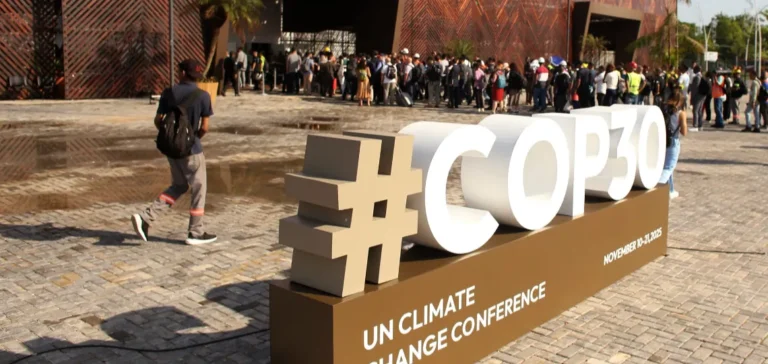
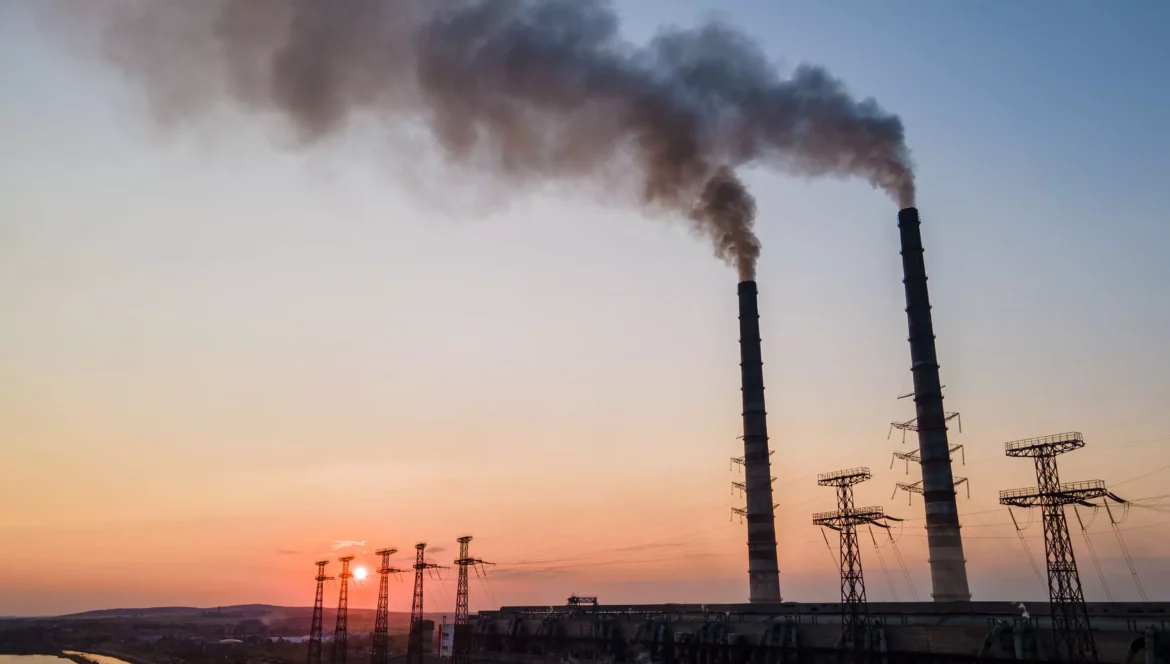
A powerful coalition of 82 nations rallied at COP30 to call for a concrete roadmap aimed at phasing out fossil fuels like coal, oil, and gas. These countries span multiple continents, including Latin America, Africa, Europe, and the Pacific — highlighting a broad-based demand for a fair transition.
The group is pushing for a mechanism that would ensure fossil-fuel transitions are not just voluntary statements, but structured pathways tied to financial and technical support, particularly for developing nations that are most vulnerable to the economic and climate risks.
According to Politico, this roadmap demand is a fresh lever in the negotiations, but it faces stiff resistance: major fossil-fuel producing countries are wary of any binding commitment that could restrain their economic leverage.
Brazil, as conference host, has walked a fine line: its environment minister, Marina Silva, expressed support for a roadmap in principle but emphasized that the language must respect national sovereignty and differentiated responsibilities under a “just transition” framework.

Several small island states and least-developed nations argue that without a clear fossil-fuel phase-out plan, any climate agreement from COP30 will lack credibility — and they risk being left behind without proper financial and capacity support.
Meanwhile, other countries stress that a roadmap would align with broader climate-justice goals: ensuring that phase-out commitments come with guarantees for social safety nets, green jobs, and skills-training for communities currently dependent on fossil-fuel industries.
Critics of the roadmap concept warn that if it’s too vague, it could become yet another symbolic gesture rather than a meaningful mechanism for emissions reductions; yet proponents argue that even a non-binding pathway could galvanize political momentum.
Observers noted the political complexity: balancing phase-out demands with geopolitical realities is difficult, but the coalition believes the roadmap could become a bridge — not just between ambition and realism, but between rich and poorer countries.
As the summit nears its conclusion, many delegates are now framing the roadmap as COP30’s potential legacy element, one that could set the tone for future summits and anchor long-term climate diplomacy.
Whether this demand makes it into the final agreement remains uncertain, but its emergence marks a significant pivot: countries are no longer just talking about climate targets, they’re demanding accountability, structure, and equity in the fossil-fuel transition.
