
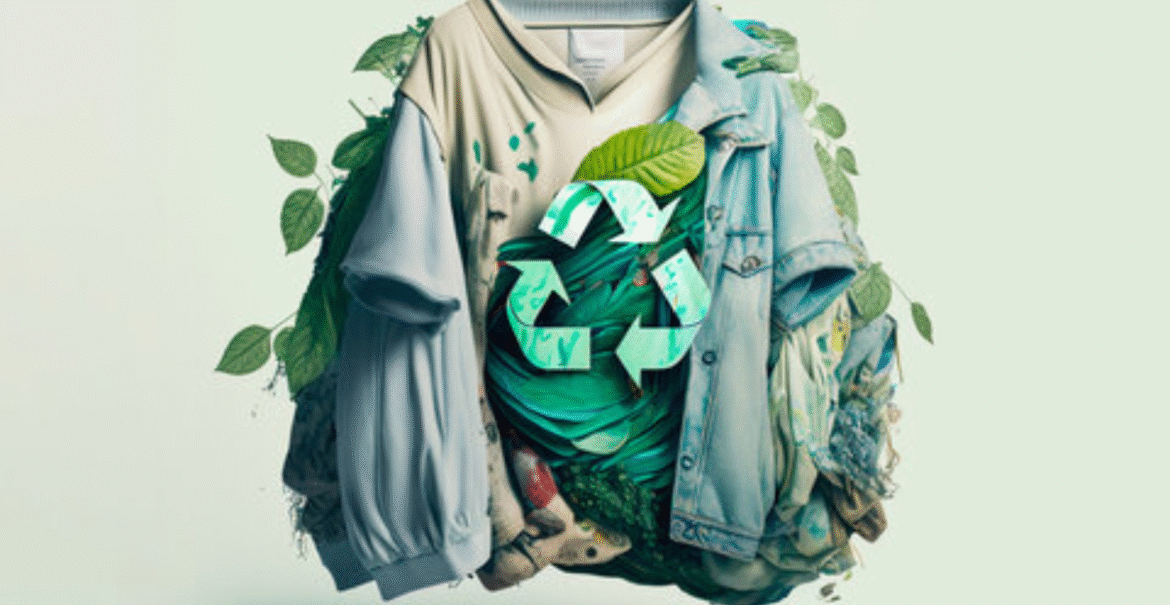
The fashion industry, long criticized for its environmental impact and labor practices, is undergoing a significant transformation as sustainability becomes a central focus for both consumers and brands. Growing awareness about waste, pollution, and unethical labor practices has led designers and companies to adopt more responsible sourcing, production, and distribution methods. Consumers are increasingly considering the environmental footprint of their clothing purchases, pressuring brands to innovate while remaining profitable. This shift represents a fundamental change in how fashion operates, balancing aesthetics, ethics, and environmental responsibility.
Fast fashion, once synonymous with affordability and rapid trends, has come under scrutiny for contributing to excessive waste, water pollution, and carbon emissions. Studies suggest that textile production alone accounts for a significant percentage of global greenhouse gases, while discarded clothing often ends up in landfills. In response, several major brands have introduced recycling programs, eco-friendly materials, and transparent supply chains. The rise of slow fashion movements and circular economy initiatives signals a shift in consumer behavior, emphasizing quality, durability, and ethical production over mere trendiness.
Innovation plays a critical role in making fashion more sustainable. New technologies in fabric production, such as plant-based or recycled materials, aim to reduce environmental impact without compromising style or performance. Some brands are experimenting with 3D printing, zero-waste patterns, and biodegradable textiles, offering creative solutions to the industry’s longstanding problems. These innovations demonstrate that sustainability and high-fashion aesthetics are no longer mutually exclusive but can coexist to meet modern consumer expectations.
Labor practices and fair trade considerations are equally important in the evolution of sustainable fashion. Ethical brands are increasingly committed to providing safe working conditions, fair wages, and social benefits for garment workers. Transparency in production processes allows consumers to make informed choices, fostering accountability throughout the supply chain. This approach not only addresses human rights concerns but also strengthens brand reputation and customer loyalty.

Consumer behavior continues to drive change, as awareness campaigns, documentaries, and social media highlight the hidden costs of fast fashion. Millennials and Gen Z audiences, in particular, are leading the demand for sustainability, influencing market trends and encouraging brands to adopt environmentally and socially responsible practices. The intersection of consumer activism and corporate responsibility is redefining industry standards and shaping the future of fashion.
Global fashion events and collaborations also reflect this shift. Eco-conscious designers are gaining prominence in major fashion weeks, while partnerships between high-profile brands and sustainability organizations promote best practices. These developments highlight that sustainability is no longer a niche concern but a defining characteristic of modern fashion, appealing to both socially conscious consumers and trendsetters alike.
As the fashion industry continues to adapt to these pressures, success will increasingly depend on a brand’s ability to combine innovation, ethics, and consumer engagement. Sustainable fashion is more than a trend—it is an emerging standard for responsible production and consumption. Brands that fail to recognize this shift risk losing relevance, while those that embrace it position themselves at the forefront of a movement that blends style, conscience, and environmental stewardship.
