
On Tuesday, November 4, 2025, Americans turned out in unusual numbers for an off-year election cycle, choosing governors, mayors, city councils and ballot measures across the country. According to analysts, this round of contests offers something more than routine local governance — it serves as a mid-term stress-test of political mood under the Donald Trump presidency.
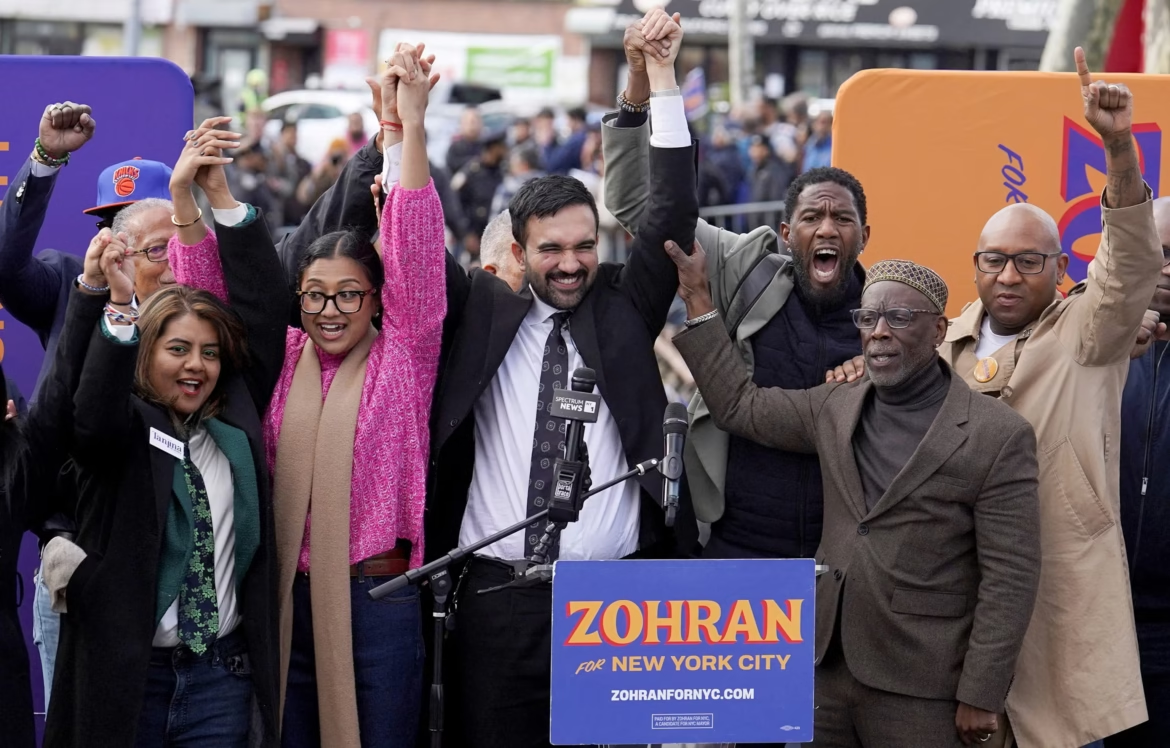
Among the most watched races: Zohran Mamdani’s victory in the New York City mayoral contest — a former state lawmaker turned progressive insurgent who defeated much-better-known opponents. In addition, governors’ races in Virginia and New Jersey provided key indications of how each party fares in swing and moderate territory.
The Democratic Party claimed multiple early victories, prompting discussion of renewed momentum. Some strategists contend the results reflect voter unease with the prevailing national environment — inflation, local infrastructure needs and dissatisfaction with federal gridlock — rather than merely partisan preference.
However, this is not a clean sweep for any side. Republicans still held competitive ground in several local jurisdictions and ballot measures. The outcome in many places depended less on ideology and more on candidate familiarity, local governance issues and community networks — an important caveat for national extrapolation.

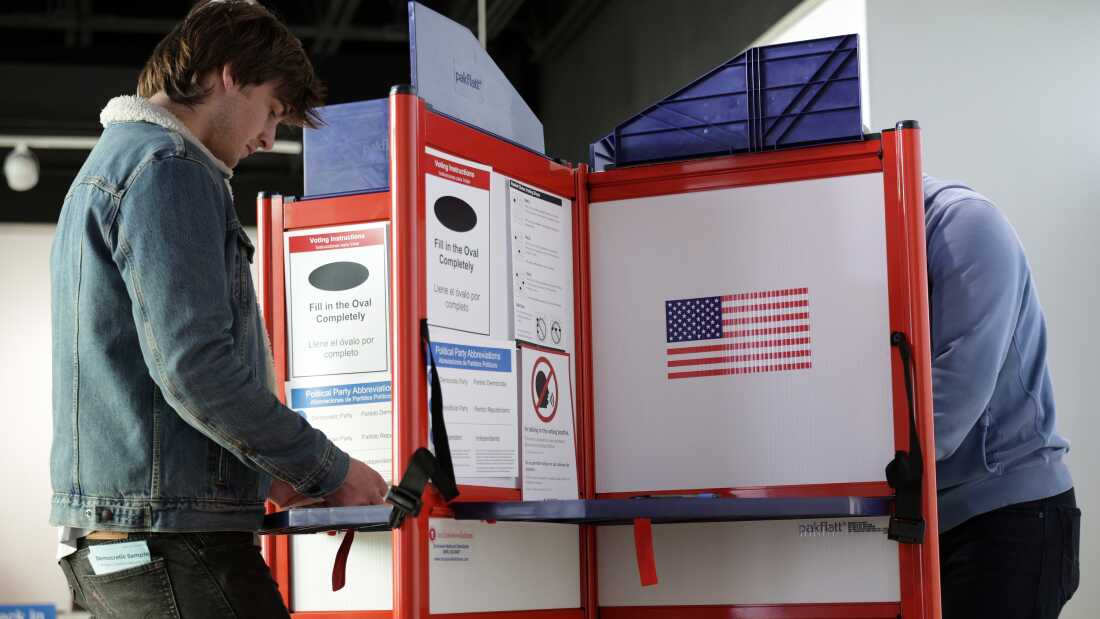
Voter turnout in these contests, while lower than in a presidential year, was higher than typical off-year expectations. Many local election officials reported stronger participation in mayoral or city council races than in similar past cycles — suggesting that when stakes are framed clearly, voters respond.
For the Democratic Party, the results offer both hope and challenge. On one hand, advancing younger, more progressive candidates signals renewal; on the other, it underscores the need to convert symbolic wins into sustainable governance and to translate local gains into broader legislative and congressional gains.
For Republicans, the takeaway is urgent: local and off-cycle races matter. Failure to manage or win down-ballot contests can erode broader party infrastructure and candidate pipelines. The message to GOP strategists is clear: invest beyond the headline races.
From a media and business-impact angle, companies and analysts are watching the implications for state-level regulation, tax policy and infrastructure investment. Governors and mayors shape local environments for business growth, housing, transit and environmental policy — so shifts in state/local leadership often precede changes in the regulatory “texture.”
In the lead-up to the next major national electoral window (2026 Midterms), these Nov 4 results will likely serve as reference points. Parties will dissect where they gained ground, where they lost it, and which messages resonated at the locality level before scaling them nationally.
For voters and observers: the lesson is simple but often forgotten — local offices matter a lot. While presidential coverage dominates headlines, it’s city councilors, mayors and governors who make many decisions that touch daily life. This year’s cycle reminds us that the ‘small stage’ plays big roles in shaping the national theatre.
