
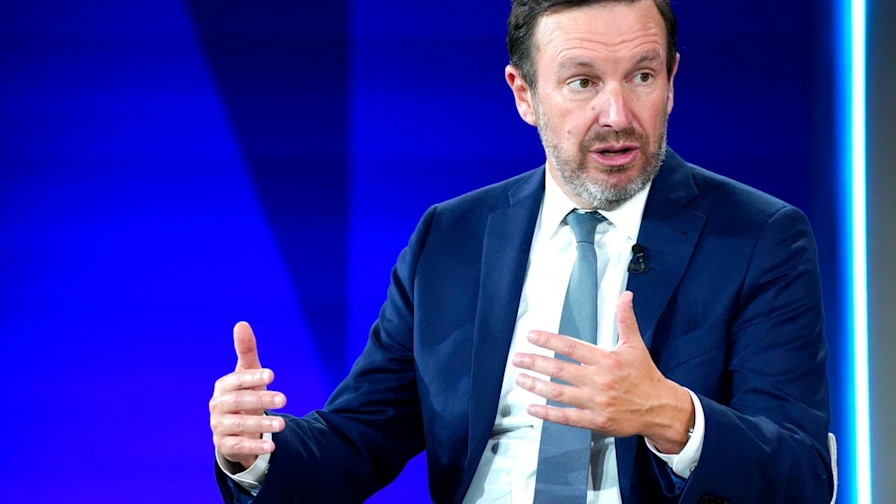
Senator Sheldon Whitehouse (D-Rhode Island) arrived in Belém, Brazil on November 13 as the only U.S. federal official present at COP30, according to Politico. His presence is highly symbolic given the Trump administration’s decision not to send a presidential delegation.
Whitehouse’s agenda at the summit is clear: to reaffirm American civic support for climate action and press for aggressive measures on methane regulation, offshore wind, shipping emissions and net-zero policies. He is expected to deliver a keynote address and participate in roundtables with global climate leaders.
The senator’s arrival comes amid intense controversy over U.S. media coverage—or lack thereof—of COP30. According to The Guardian, major U.S. broadcasters including ABC, NBC, CBS and Fox have minimal on-site representation.
Media critics argue that the absence of U.S. broadcasters hampers public understanding of the summit, especially in a moment when climate negotiations remain critical for global policy. Independent outlets and local Amazon-focused journalists have stepped in to fill the coverage gap.

Some climate policy veterans assert that Whitehouse’s decision to attend alone sends a strong signal: U.S. climate leadership may be absent from the executive level, but democratic institutions and sub-national actors are still engaging. He frames his engagement as a stand for democratic accountability and multilateralism.
In his remarks, Whitehouse reportedly called the Trump-era climate agenda “a step backward for American credibility,” arguing that inaction threatens both ecological stability and geopolitical influence. He emphasized the urgency of aligning climate policy with global financial and justice frameworks.
Meanwhile, California Governor Gavin Newsom, also present at COP30, has taken up much of the de facto U.S. representation, criticizing Trump’s climate denial and positioning California as a “stable and reliable” partner in global green energy.
The lack of consistent U.S. media coverage also reflects broader trends in journalism: climate teams at several major networks have faced cuts, and some newsrooms cite budget constraints for not sending correspondents.
For COP30 negotiators, the combination of political gaps and media silence presents both a challenge and an opportunity. Without heavyweight media on site, grassroots and Indigenous voices may gain greater relative influence—but translating that into political pressure remains difficult.
In conclusion: Senator Whitehouse’s presence at COP30 is more than symbolic—it’s a counterpoint to a broader U.S. retreat from global climate diplomacy. As major broadcasters step back, his engagement, along with sub-national leaders like Newsom, underscores a decentralized but persistent American voice in the fight for climate action.
